
AWERA
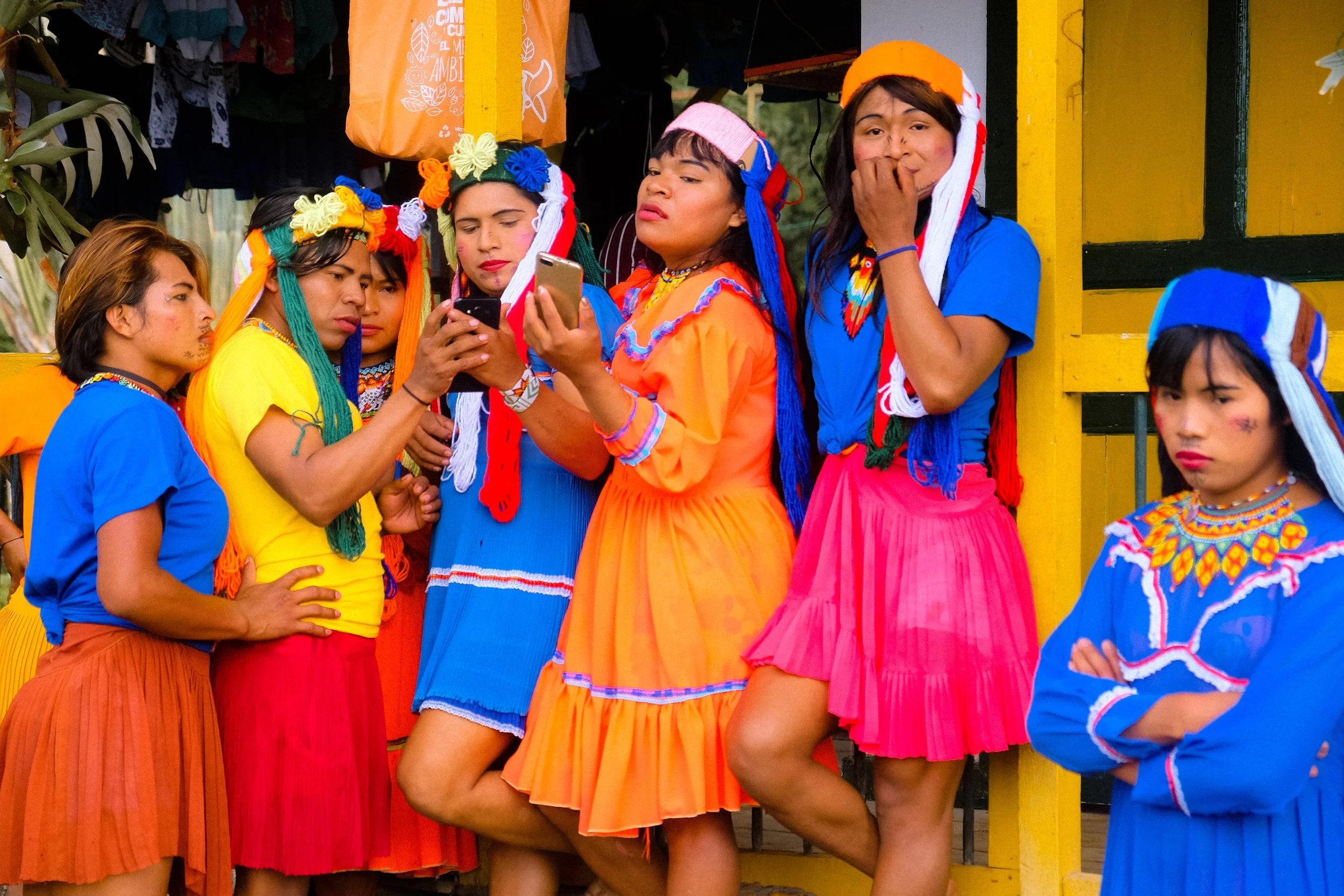
AWERA (“The path to become a woman” in Emberá Chami language) is a multidisciplinary project created together with Las Traviesas—a community of trans-Indigenous women from the Emberá Chami and Katío peoples in Santuario, Risaralda, Colombia—in collaboration with other Indigenous peoples, artists, curators, and academics from Latin America and Europe. The project reflects on how colonial constructions of identity can be questioned and transformed, opening possibilities of womanhood beyond cisgender categories. In doing so, it shifts the focus away from white, Western, and urban gender identities toward rural and queer concepts of resistance, deeply rooted in the cosmovision and rituals of the Emberá as well as the culture of the Colombian coffee-growing region.
Developed between January 2021 and January 2024 in Santuario and Bogotá, AWERA began as a series of co-creation laboratories where diverse disciplines—cinema, music, performance, beading, monotype printing, photography, community organization, and political empowerment—intertwined through constant dialogue and collective reflection. The resulting works emerge from shared experiences, dreamlike narratives, collective imaginaries, and visions of ancestral futures, producing pieces that challenge and expand traditional narratives.
AWERA is, above all, a celebration of the power of unexpected collaborations and the creation of new bonds and kinships that transcend genealogical, ethnocentric, and anthropocentric relationships. Its strength lies in the interweaving of knowledge, imaginaries, and diverse trajectories, capturing the aspirations of Las Traviesas to demonstrate that there are many ways to be an Emberá woman.
CONTEXT
Following years of persecution and displacement from their communities due to their sexual orientation and gender identity—often under threat of violence—a group of Indigenous trans women from the Emberá Chamí and Emberá Katío peoples came together to create a new collective life in Santuario, in Colombia’s coffee-growing region. There, they founded Las Traviesas, a community that reimagines family, care, and social organization on their own terms.
The name Traviesas comes from the Spanish noun travieso/a, meaning “cheeky” or “naughty,” sometimes with a playful sexual connotation. It also refers to the minor coffee harvest (traviesa or mitaca), carried out six months after the main harvest. In Santuario, Las Traviesas not only find work as coffee pickers at the nearby farms, but have also found each other’s support, weaving their lives into a new form of Indigenous trans community.
Today, with around 100 members, Las Traviesas are working toward political recognition as an autonomous Indigenous cabildo—a legal entity acknowledged by Emberá authorities and the Colombian state—that would grant them the right to establish the country’s first trans Indigenous reservation.
This project not only gives visibility to their histories and struggles but also seeks to support Las Traviesas through the exhibition and possible sale of works. It aims to contribute to their consolidation process as an autonomous cabildo, supporting the dream of inhabiting their own territory where they can live and work in safety, freedom, and without transphobic violence.
ARTWORKS CREATED THROUGH AWERA
-
![]()
ARIBADA
Short film 2022
-
![]()
TRAVIESAS
3-channel audiovisual installation 2023
-
![]()
BUTURU KIDIBAI
Film stills 2022
-
![]()
AZAMUNA
“Real dream, between land and culture” Photographic Series 2021
-
![]()
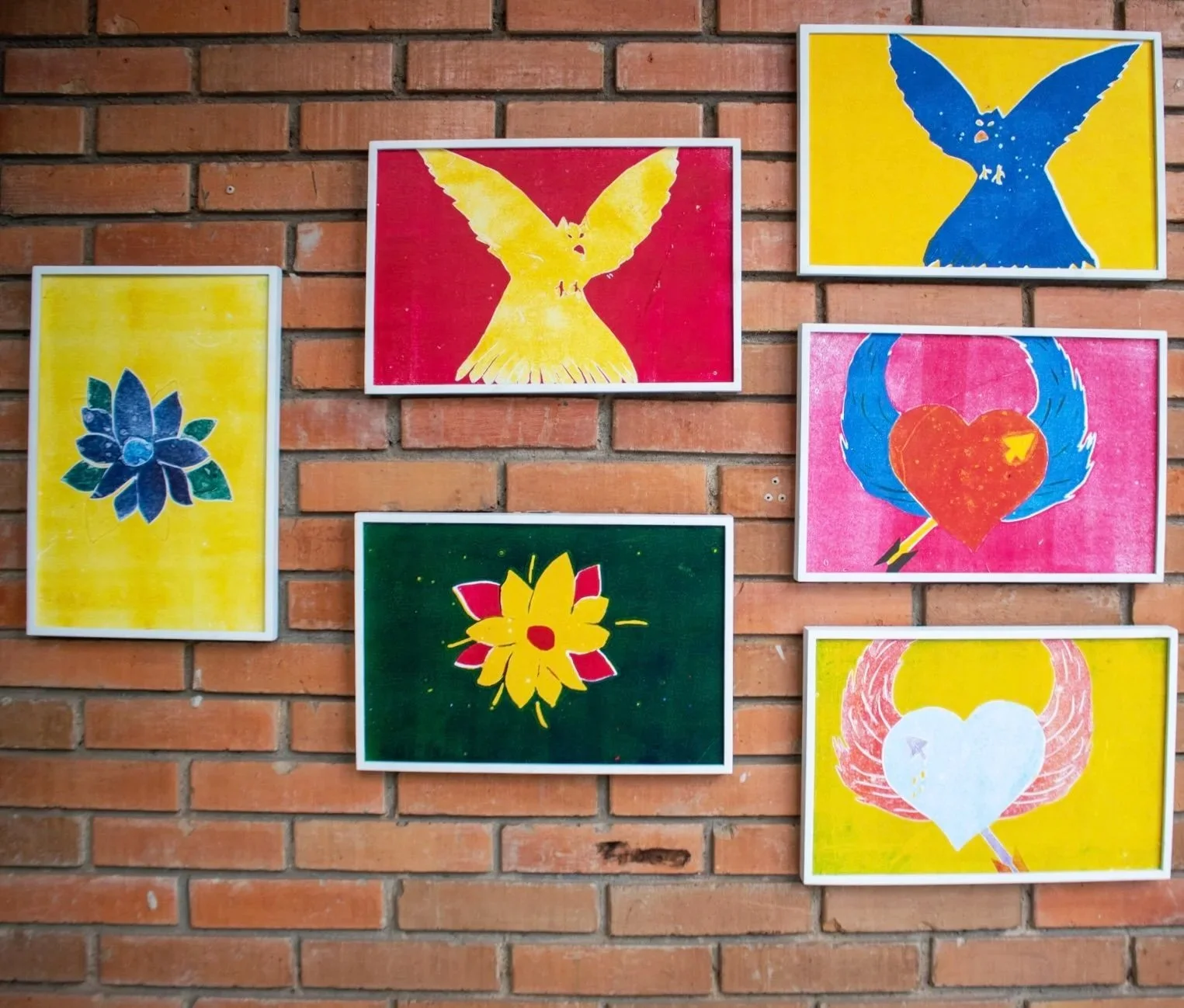
AZAMAKUNA
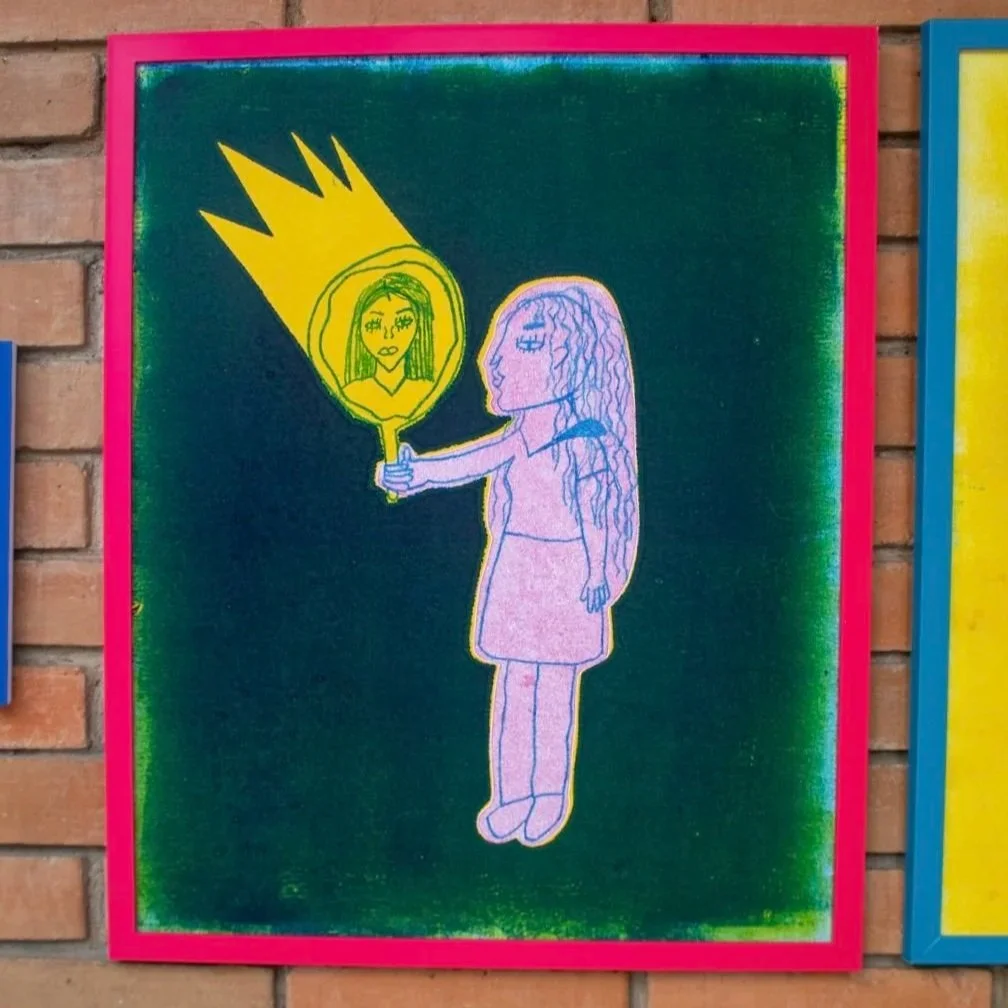
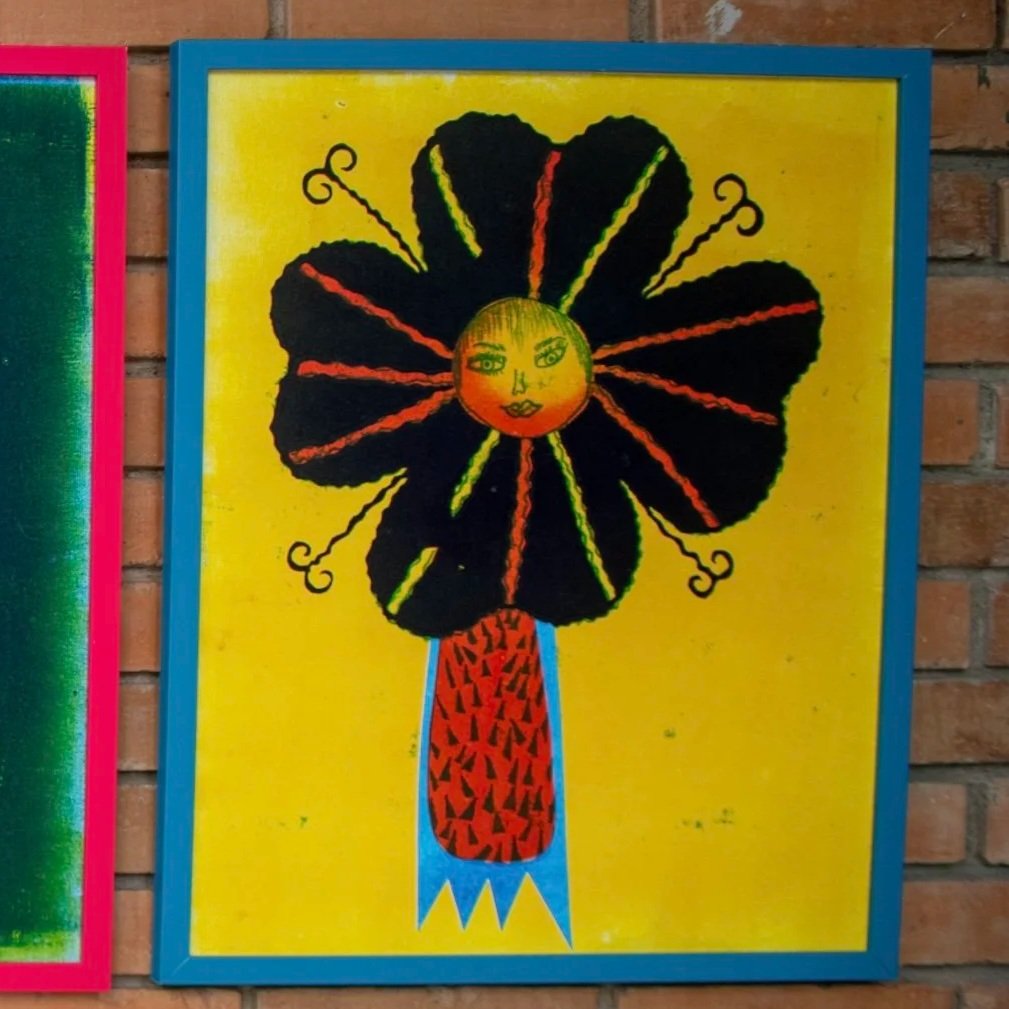
“Art Fiercely Created” Monotype Series 2021
-
![]()
KARU
"The Fury of Great Love, Being a Woman" Video Installation 2022
-
![]()
TRAVIESA WERA DANCE
Performance 2022




-
AWERA
AWERA en Bakatá - Museo Nacional de Colombia, 2024
AWERA en Santuario - Casa de La Cultura and Main Square, 2022
AWERA en Manizales - FICMA Feria Internacional de Cine De Manizales, 2022
ARIBADA (Short film)
Cannes Directors Fortnight 2022, International Premiere, Nominated for the L'Œil d'or and the Queer Palm
New York Film Festival 2022, North American Premiere, Official Selection
BFI London Film Festival 2022, UK Premiere, Official Selection
Oberhausen International Short Film Festival 2022, German Premiere, Emerging Talent Prize – German Competition
Internationale Kurzfilmtage Winterthur 2022, Swiss Premiere, International Competition
Guanajuato International Film Festival 2022, Mexican Premiere, Special Mention – Experimental Film Competition
30_____70 DOC FEST 2022, Italian Premiere, Winner First Prize – Official Selection
Cartagena de Indias International Film Festival (FICCI) 2022, Colombian Premiere
Cali International Film Festival FICCALI 2022, “María Prize” to the Best Colombian Short Film
Festival de Cine Corto de Popayán 2022, Best Experimental Film, National Competition
She Makes Noise Music and Film Festival 2022, Premiere in Spain
DAUPARÁ – Indigenous Film and Video Showcase 2022
Maysles Documentary Center 2022
Slamdance Film Festival 2023, Experimental Short Film Competition
Achtung Berlin Film Festival 2023, Best Medium-Length Documentary
Stuttgarter Filmwinter – Festival for Expanded Media 2023, Norman Award – International Short Film Competition
Riga International Short Film Festival 2annas 2023, Latvian Premiere, Best Mid-length Award, International Mid-Length Competition
Vienna Shorts 2023, Austrian Premiere
Queer Lisboa 2023, Portuguese Premiere
Mostra Ecofalante de Cinema 2023, Brazilian Premiere
AMOR Festival Internacional de Cine LGBTI + 2023, Chilean Premiere
Go Short – International Short Film Festival Nijmegen 2023, Dutch Premiere
German Film Critics Association Awards 2023, Nominated in the category Best Short Film 2023
Berlinische Galerie – Museum of Modern Art 2023, Solo Exhibition
Berlin Art Week – Wilhelm Hallen 2023, Exhibition
Sharjah Film Platform 6 2023, Premiere in the UAE
Festival Internacional de Cine UNAM – FICUNAM 2023
Filmfest Dresden 2023
UnionDocs – Center for Documentary Art 2023
Nida Art Colony of the Vilnius Academy of Arts 2024, ‘Resonance beyond escape: Qworkaholics Anonymous Iii’ (Exhibition), Lithuania
Tilde Melbourne Trans & Gender Diverse Film Festival 2024, Premiere in Australia
Kurzfilm Festival Hamburg 2024
Kino Latino Kurzfilmprogramm, Köln 2024
UCLA, Los Angeles 2023
Museo Nacional de Colombia 2024
TRAVIESAS (3-channel installation)
Monitoring Exhibition at Kasseler Kunstverein, Kassel, 2023 - Nominated for the Golden Cube
FICMA Feria Internacional de Cine De Manizales, 2023
Berlin Art Link x Studio IIII, Berlin, 2025
MUSEO NACIONAL DE COLOMBIA
AWERA en Bakatá
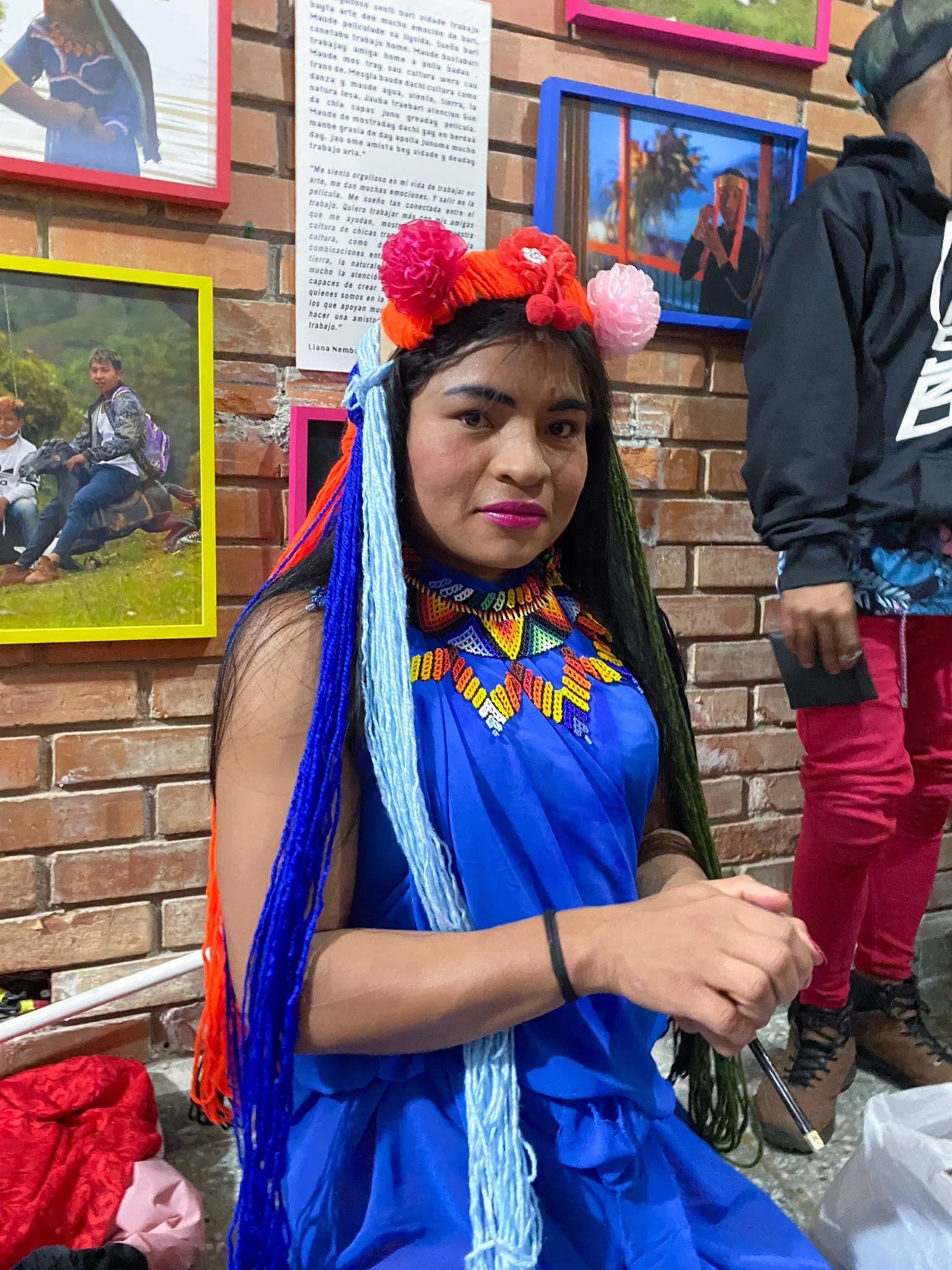
AWERA en Bakatá brought together Las Traviesas for a week of workshops, performances, and an exhibition at the Museo Nacional de Colombia. The project explored how art can become a space for visibility, self-determination, and repair. Presenting Awera within a national institution held profound symbolic weight: historically, trans-Indigenous people have been excluded from such spaces. For Las Traviesas, who once declared “We want to exist in Colombia,” the exhibition became an act of reclamation — a collective assertion of presence and voice within a structure that had long overlooked them.
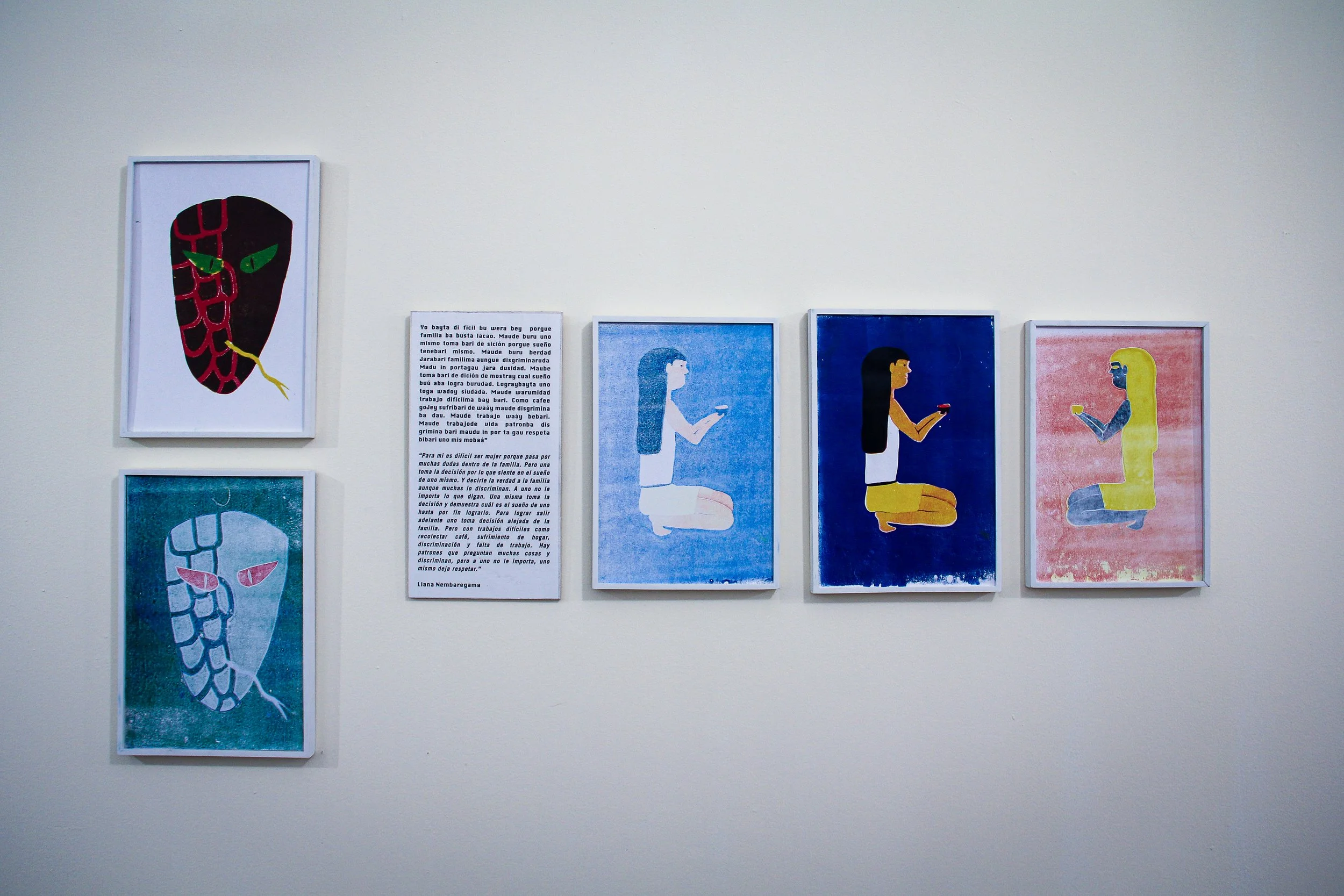
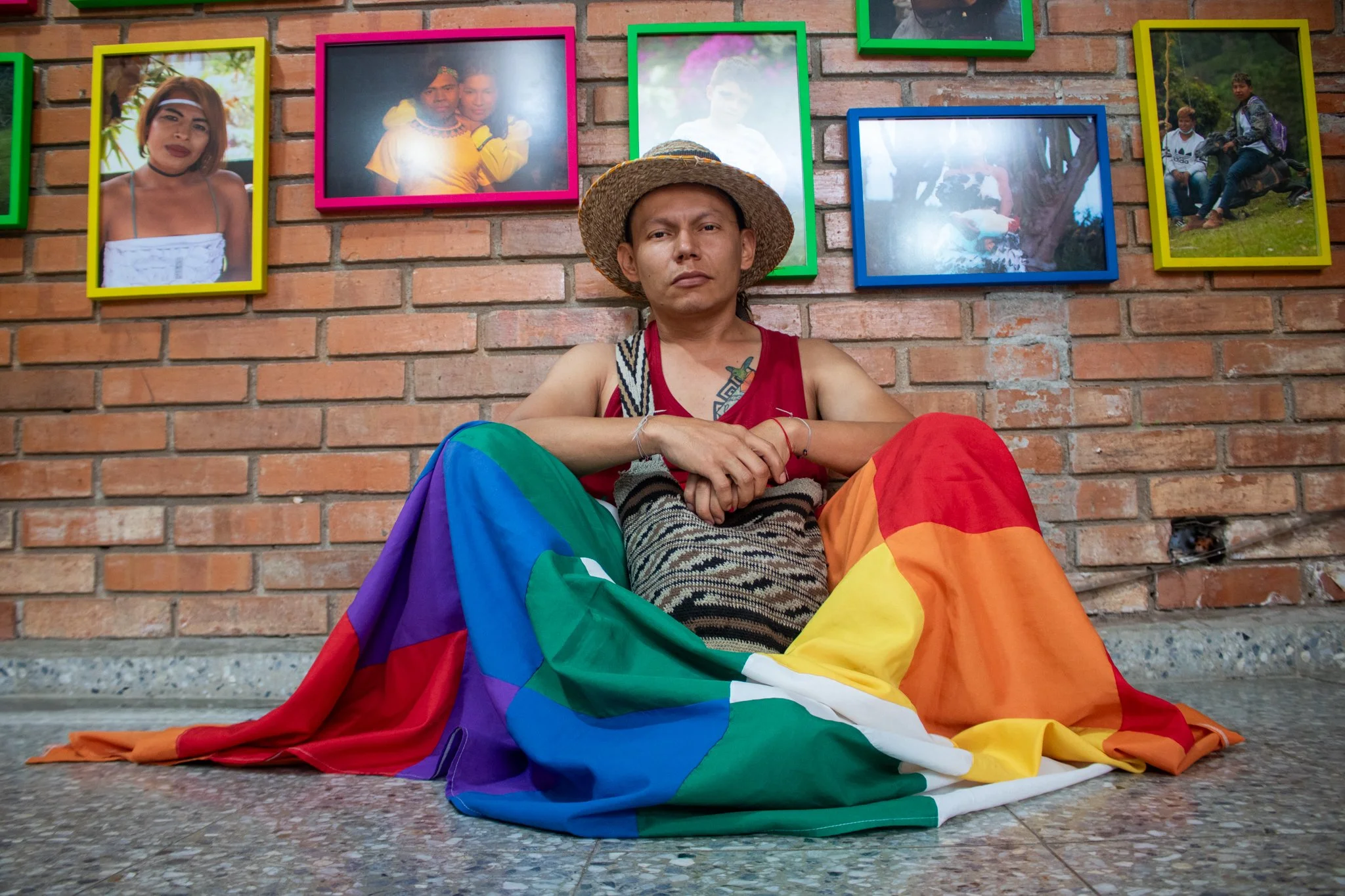
The exhibition presented works emerging from collective processes — film, sculpture, photography, monotypes, selfies, and behind-the-scenes videos — created during a co-creation laboratory in the museum’s Panopticon room and earlier workshops in Santuario, Risaralda. Beyond the exhibition itself, the project opened spaces for learning and dialogue.
A series of roundtables brought together Indigenous leaders from the Inga, Wayuu, and Nasa communities to exchange experiences on self-governance, migration, and the challenges of recognition in urban contexts. These encounters became vital platforms for discussing intersectionality, identity, and the possibility of forming a trans-Indigenous cabildo in Colombia.
A second gathering with the Red Comunitaria Trans — one of Bogotá’s most active trans collectives — deepened these dialogues through shared practices of resistance and care. The session opened with an Afro-Colombian bullerengue led by La Morena del Chicamocha. It continued with testimonies from Las Tupanas Amazónicas, a collective of trans-Indigenous women from the Amazon. The discussions expanded into themes of health, migration, and solidarity, culminating in a visit to Casa Trans, a community center supporting trans migrant women in the Santa Fé neighborhood.




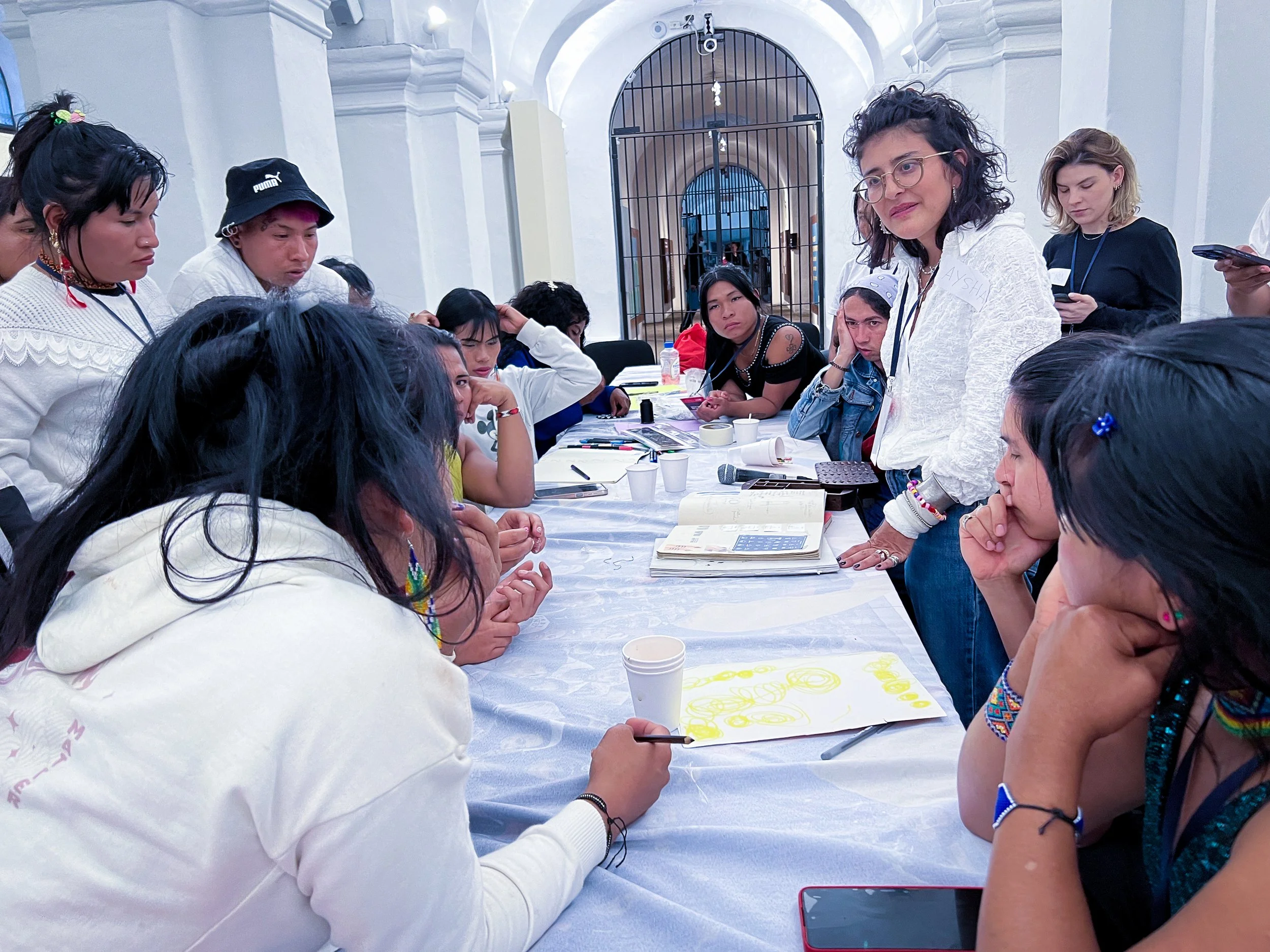


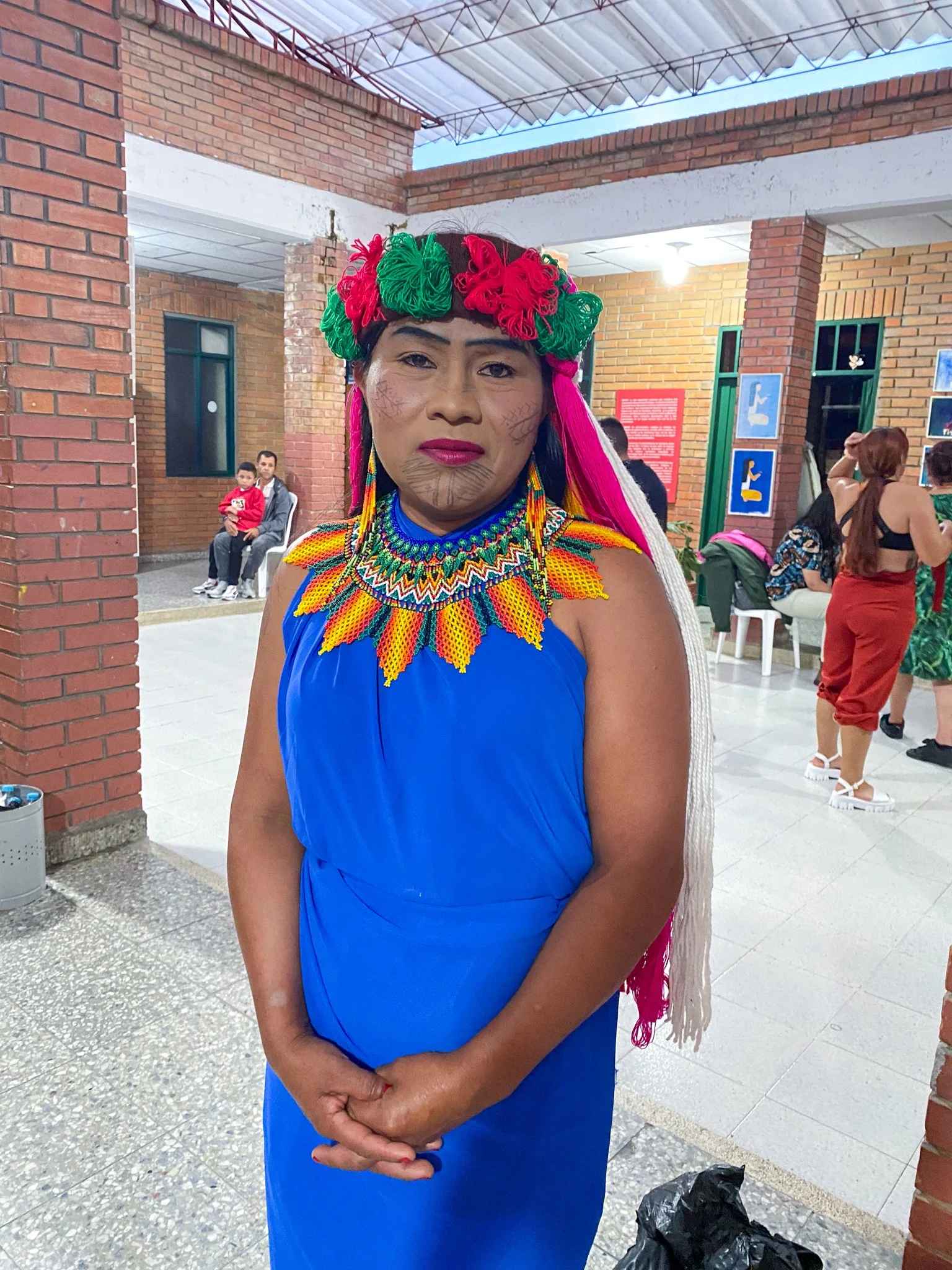
Additional workshops explored the intersections of creativity, tradition, and sustainable economies. A jewelry-making session led by designer Aysha Bilgrami invited participants to experiment with design, materials, and storytelling through beading — a practice deeply rooted in Embera culture. This exchange between artisanal knowledge and contemporary design encouraged Las Traviesas to envision creative economies that sustain both cultural continuity and autonomy.
Another workshop, developed in collaboration with Arte-Sano, the social enterprise of Crepes & Waffles, explored agribusiness and sustainable land practices. One of the long-term goals for Las Traviesas is to secure land for sustenance and economic independence. For this session, we invited a farming family — Martha Ángel and Harrison Vargas — who grow and commercialize arracacha in Cajamarca, Tolima. They shared their experience building a cooperative of local farmers, developing sustainable production models, and resisting extractivist industries. Their community famously led the 2017 popular consultation that stopped the establishment of what would have been Colombia’s largest open-pit gold mine — a landmark victory for collective land defense.
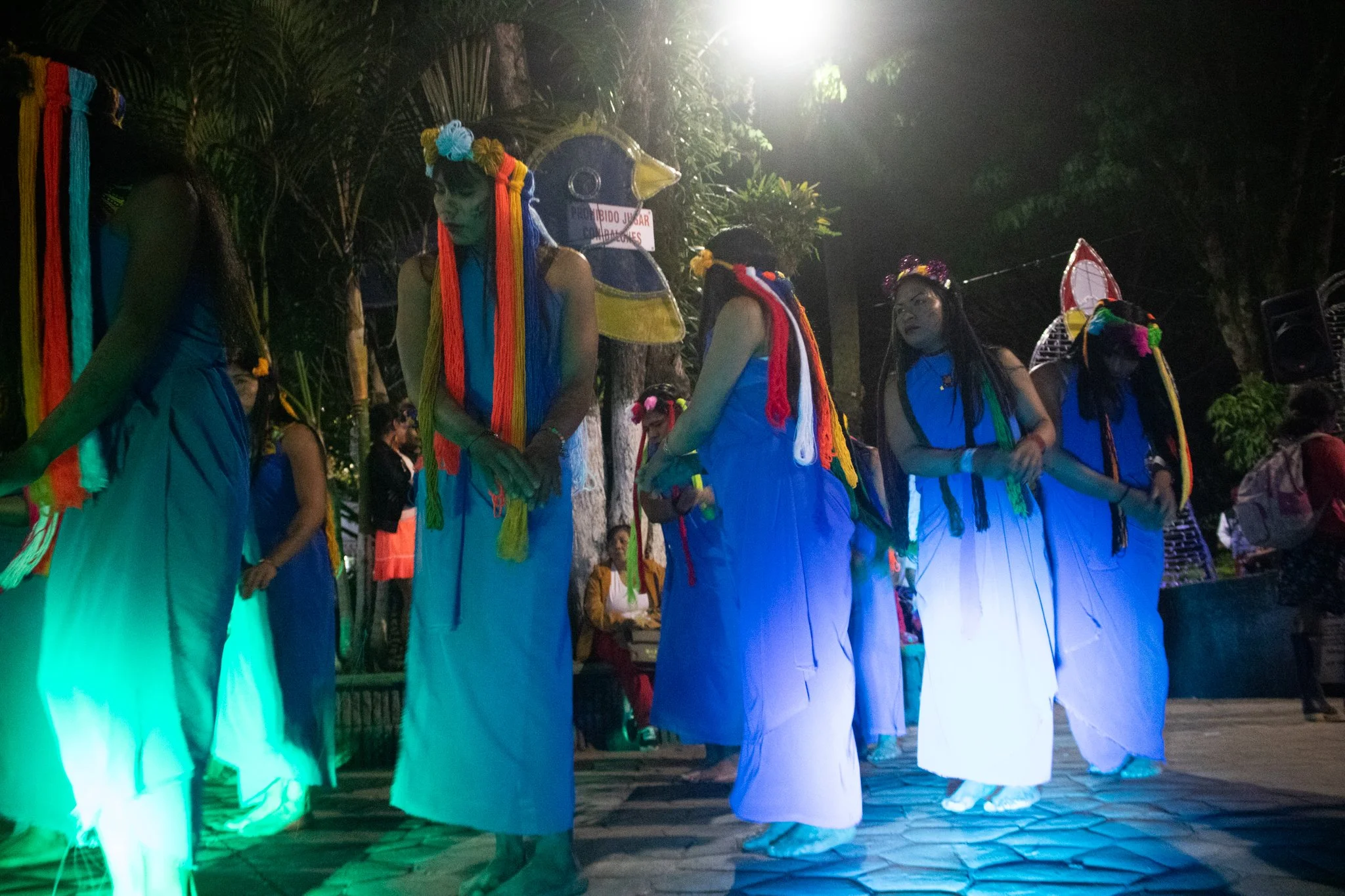
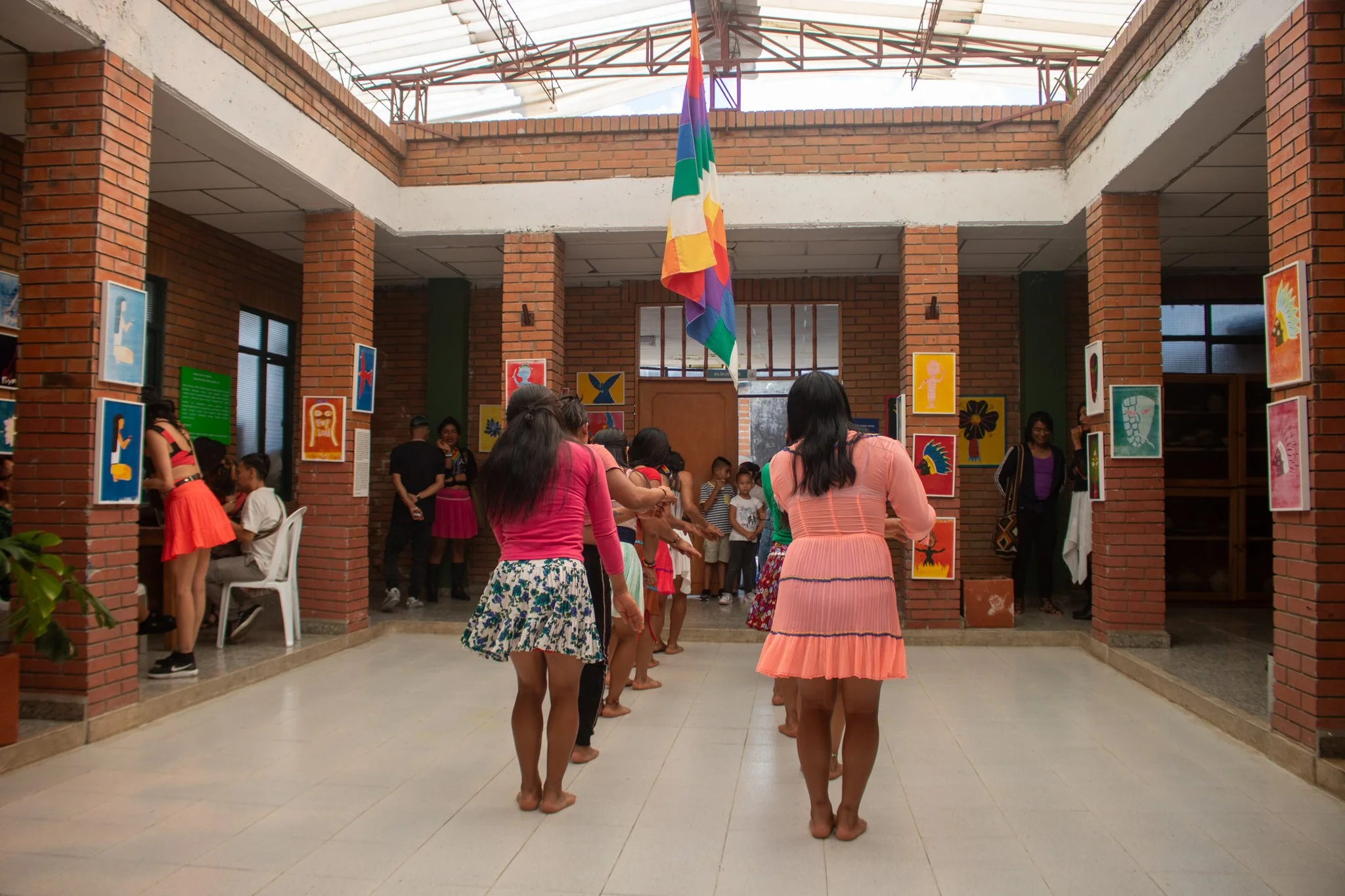
During the exhibition’s opening, Las Traviesas performed traditional Embera dances alongside Las Tupanas Amazónicas. For them, dance functions as ritual — a return to women’s spaces where dresses, headdresses, and gestures are crafted together. These acts of creation and movement embody resilience, memory, and the continuous transformation of identity.
More than an exhibition, AWERA en Bakatá was an act of collective affirmation. It revealed both the possibilities and contradictions of bringing rural, queer, and Indigenous worlds into the nation’s institutional center. Through their presence, Las Traviesas reimagined the museum not as a site of containment, but as a living territory for encounter, imagination, and care.
SANTUARIO
AWERA en Santuario
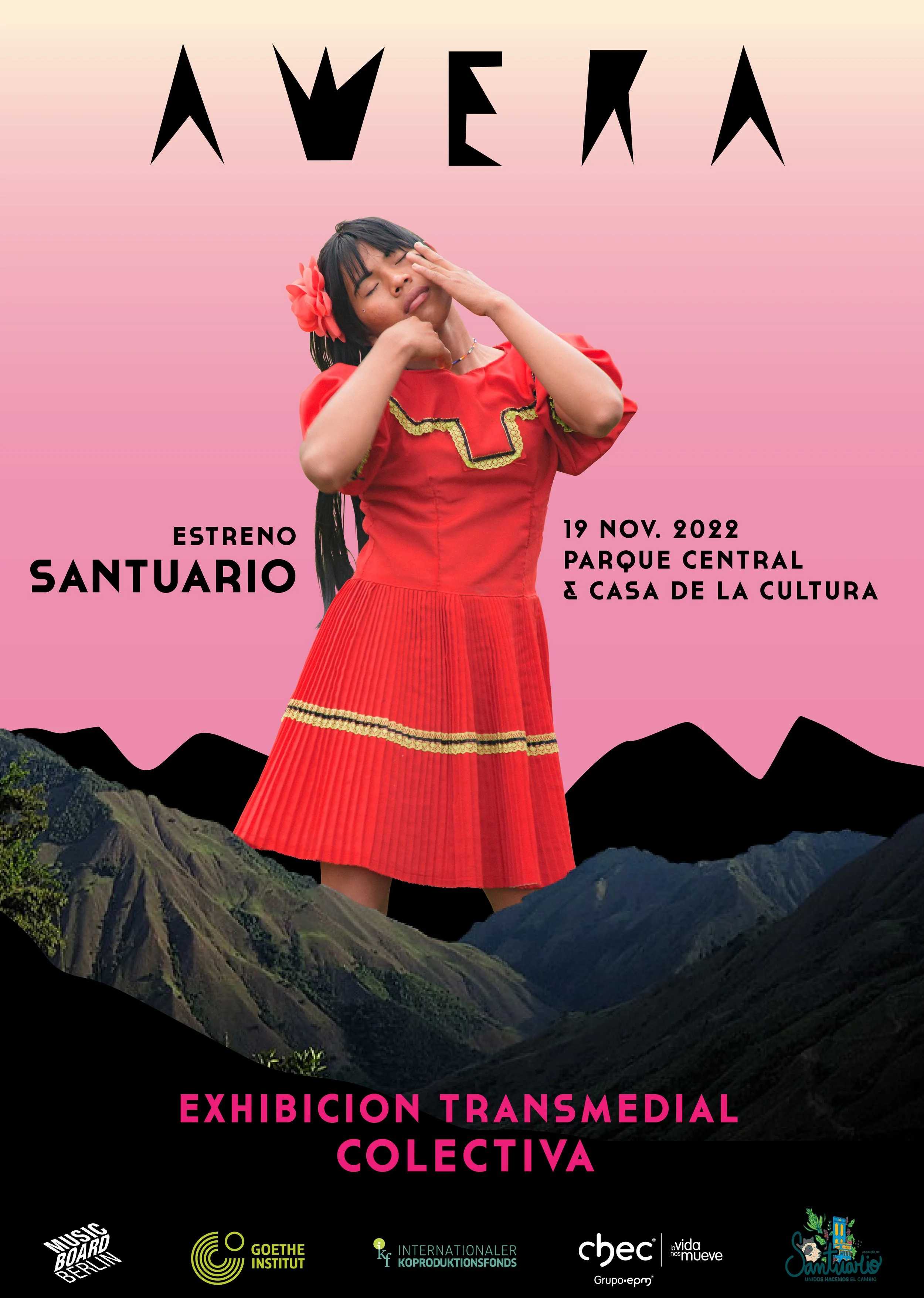
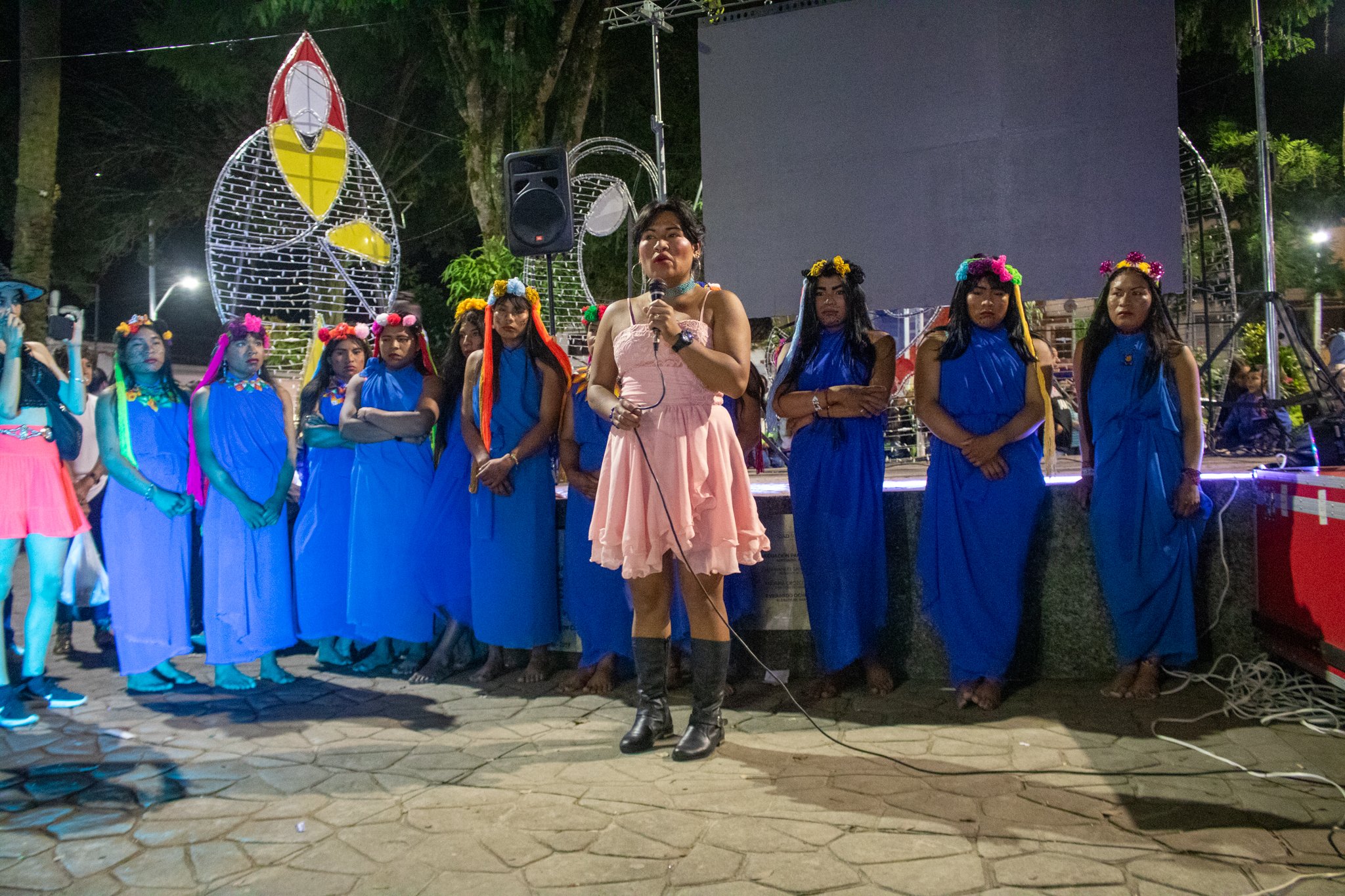
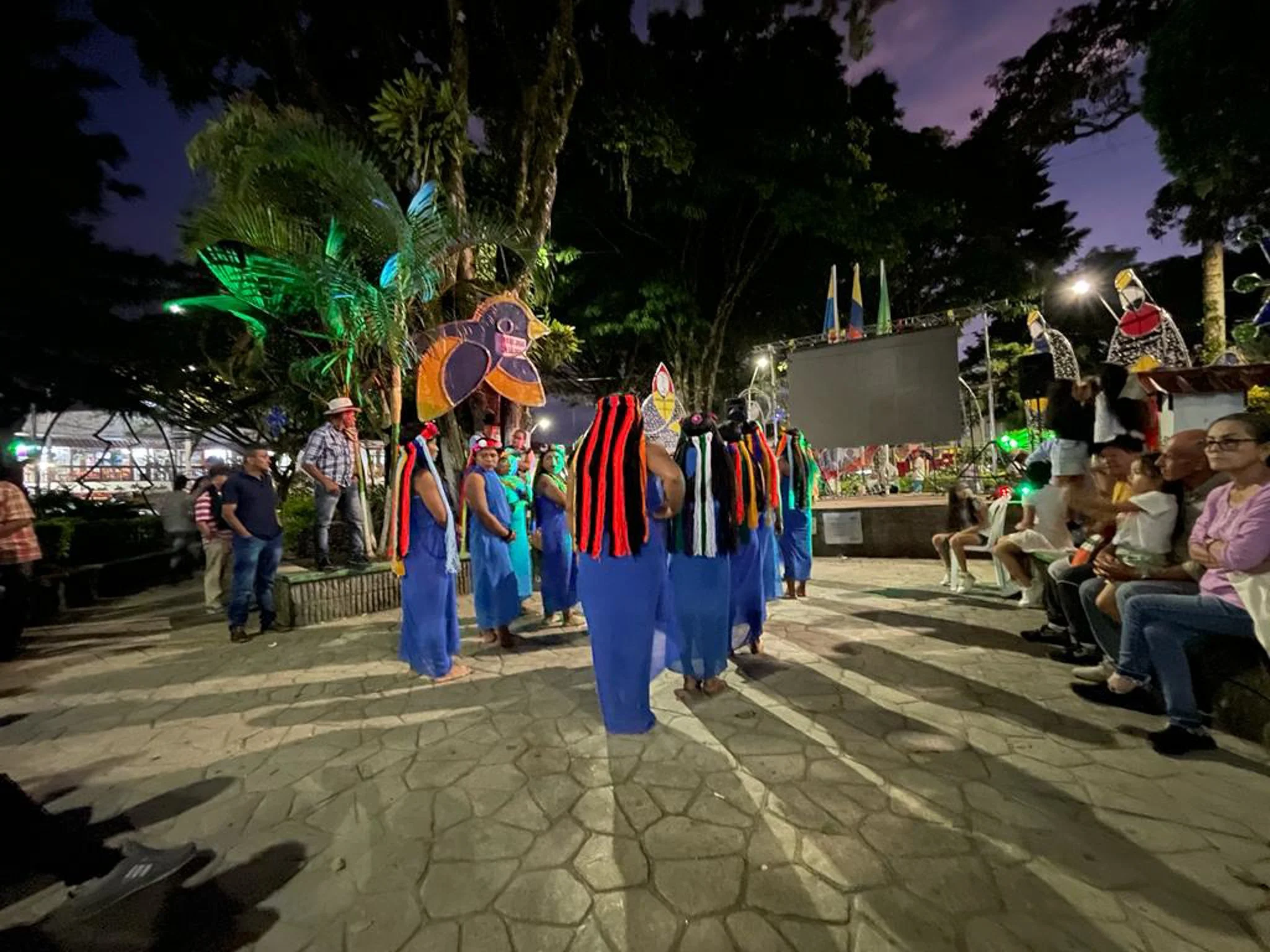
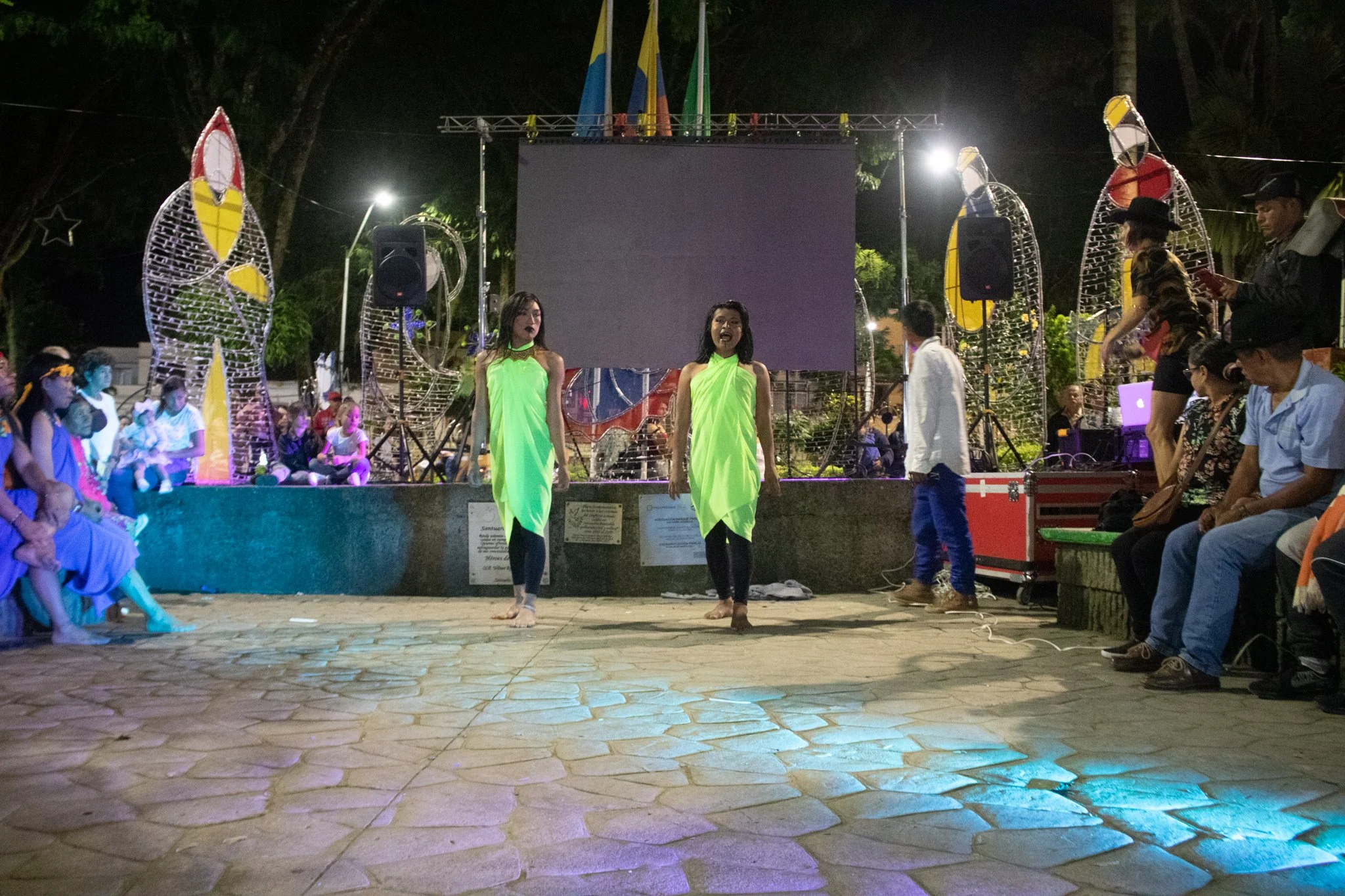
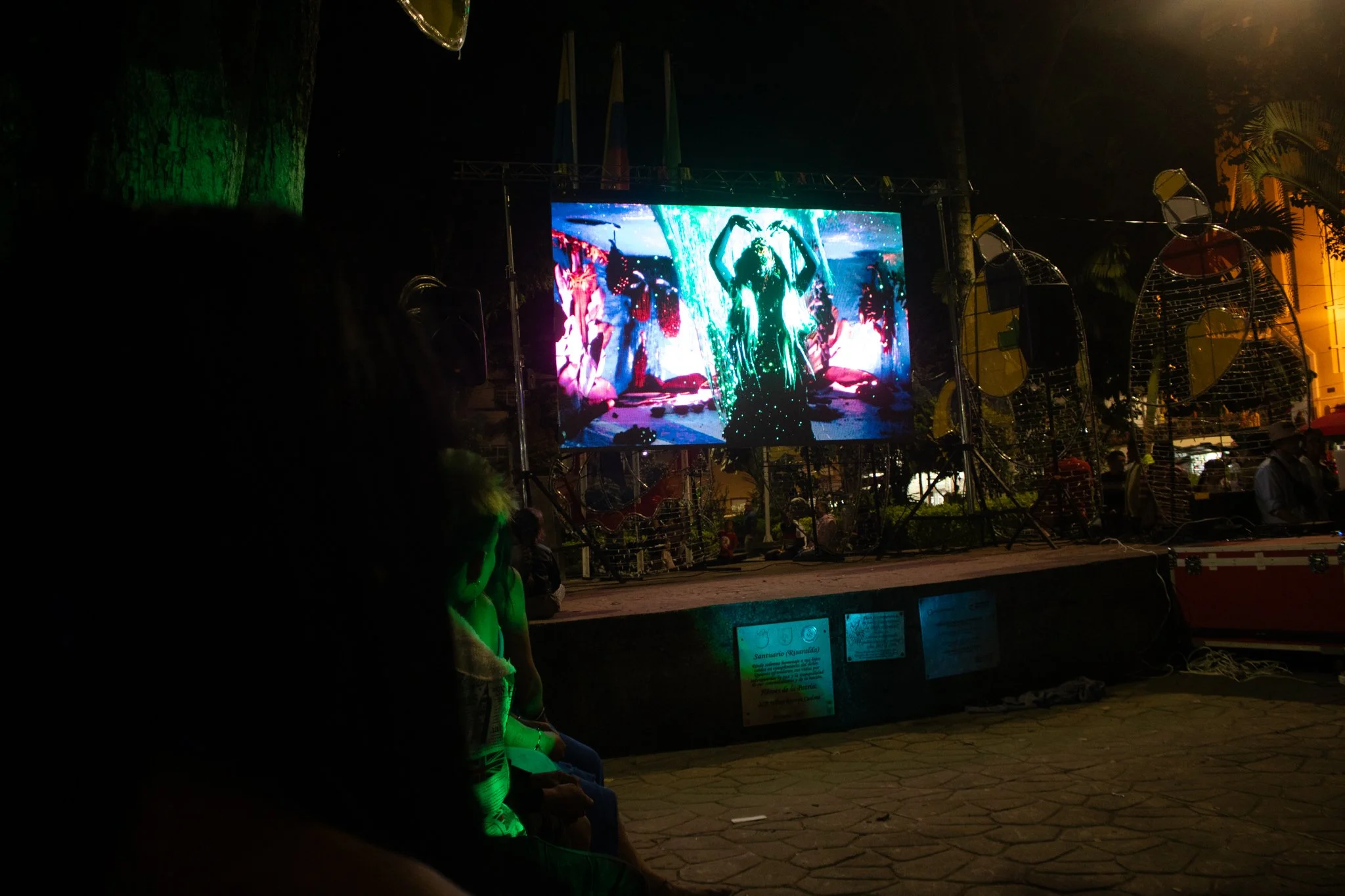
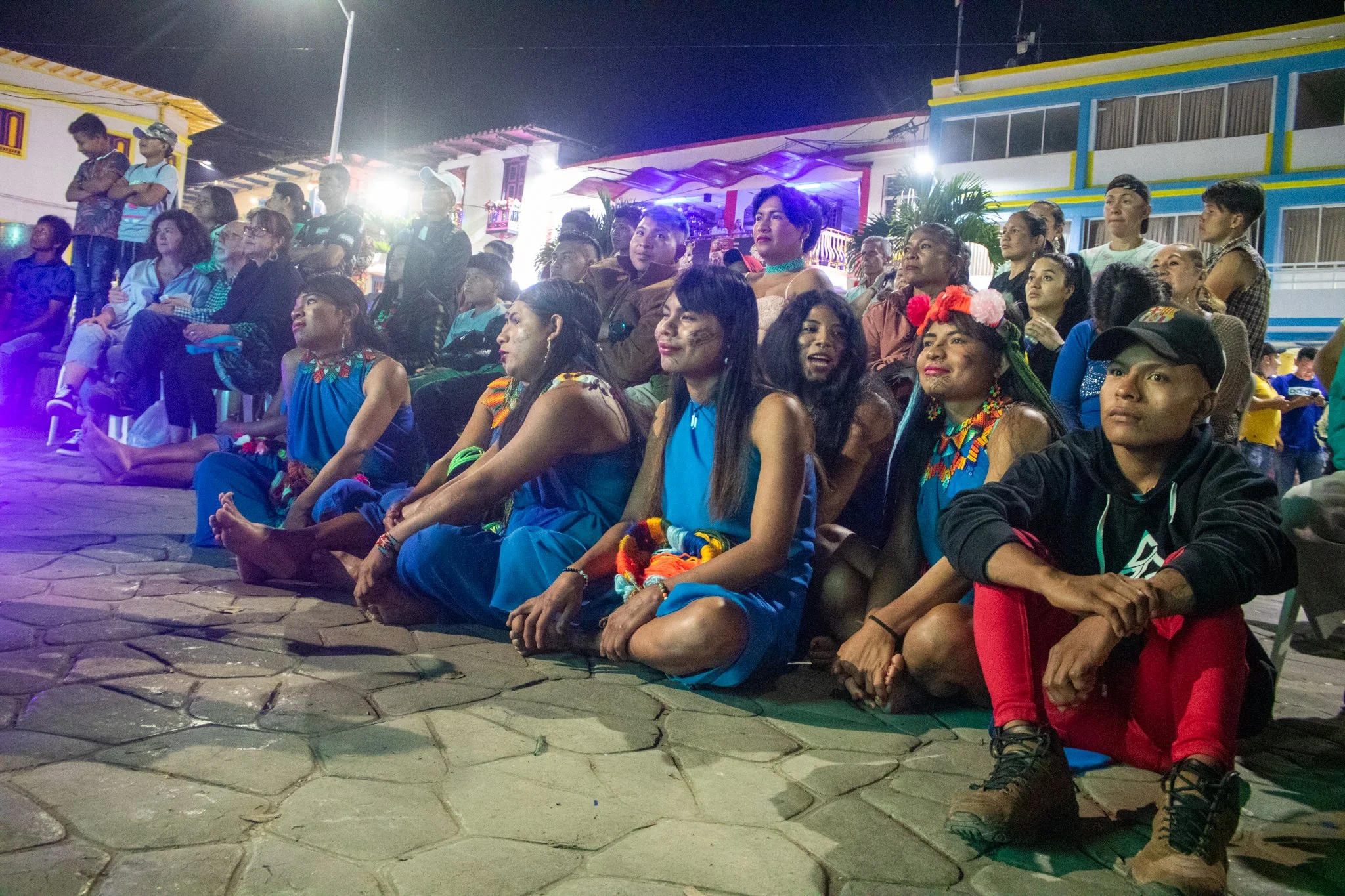
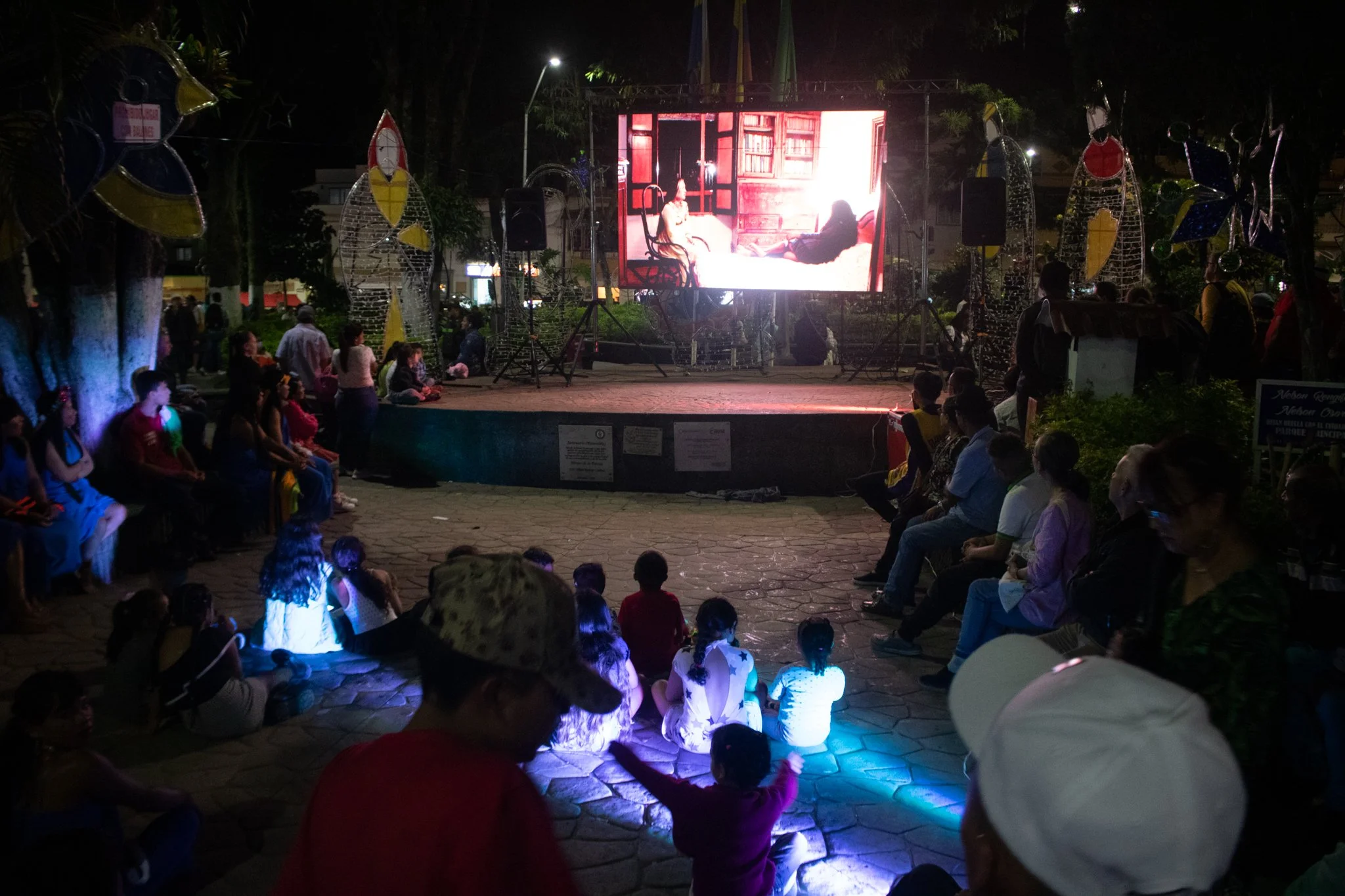
The premiere of Awera in Santuario was a moment of reciprocity and return — a gesture of gratitude toward the community and territory that have welcomed Las Traviesas, the Embera trans women’s collective, and, for the past two years, a group of Latin American and European artists who have accompanied them in this creative process.
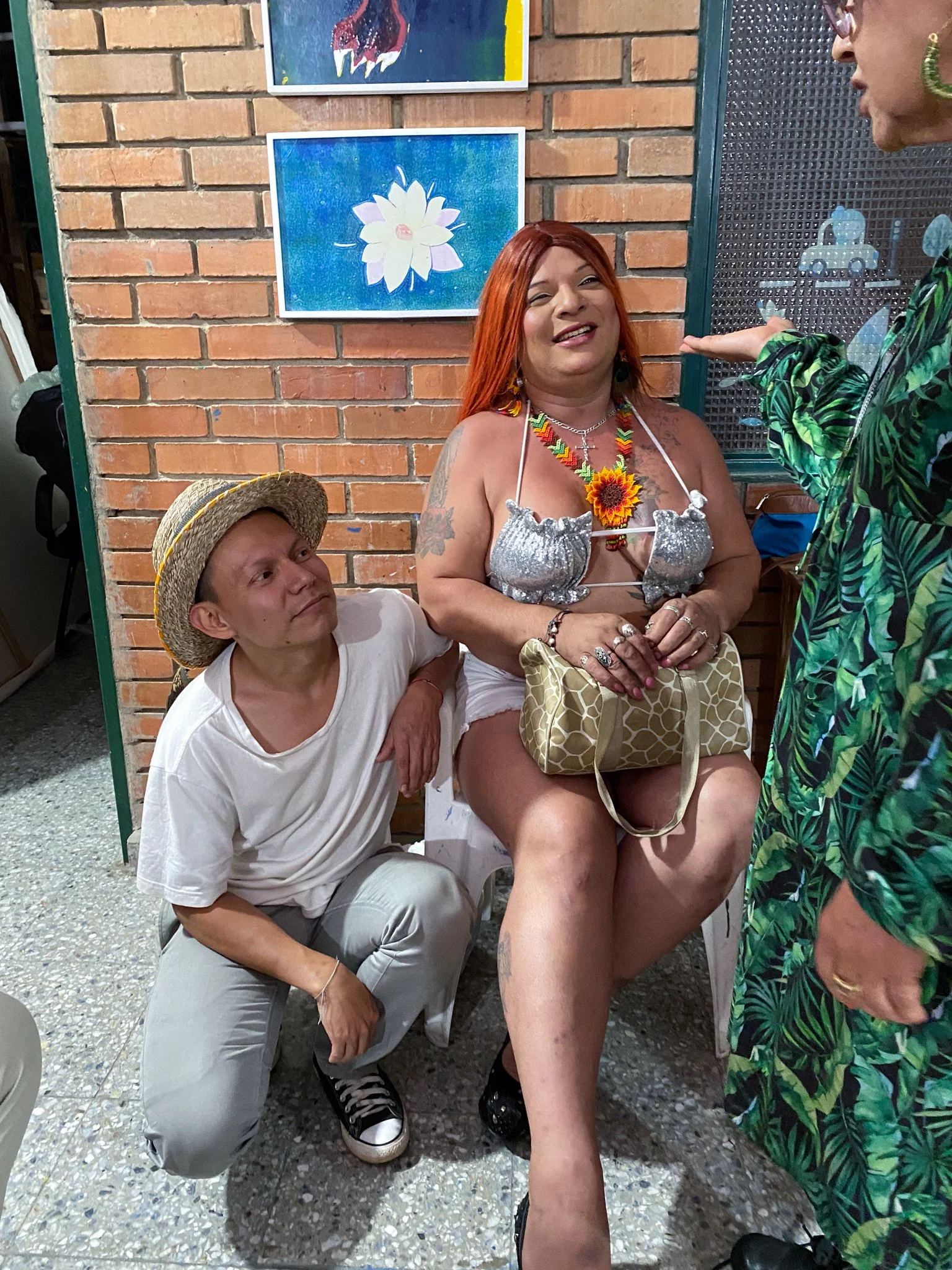
Sharing the different creations of Awera — graphic and photographic works, traditional dances and performances, and the audiovisual pieces — took place in public spaces such as the cultural center and the town’s main square. These encounters helped to soften the social boundaries between the Embera people and the mestizo peasant population of Santuario, opening new forms of dialogue and recognition.
It was especially meaningful that Las Traviesas could exchange experiences with figures such as Nil Bailarín, an Embera Chamí trans woman and the first governor of an Indigenous reserve in Colombia; Ysaí Bueno, a gay Embera filmmaker; and Las Guapas, a collective of trans women sex workers who produce news and audiovisual communication from the streets of Manizales.
The premiere of Awera in Santuario was not only a showcase of everything accomplished over these two years, but also the beginning of a new chapter for what comes next for Las Traviesas. While the ancestral diversity of Indigenous communities in Santuario–Risaralda and Antioquia has gained greater visibility and agency in their struggle for rights and recognition, the situation of ancestral sexual and gender diversity at the national level remains fragile and concerning. We hope that these initiatives will continue to strengthen connections and generate resonances across other territories in Colombia.
Jonathan Luna

CREDITS
-
MUSEO NACIONAL EXHIBITION: ZAMANTA ENEVIA, BERONIGA TASCON, LIANA NEMBAREGAMA, EMILCE AIZAMA, ANDREA NEMBAREGAMA, ESTEFANIA TUAVE, BELLA ANGELIN WAZOMA, LUISA VALENCIA, ERIKA TASCON, MONICA GUAZOMA, MARIA SALOME GUAGUARAL, DIANA QUERAMGAMA, OMAR ANDRES SIAGAMA, NATALIA ESCOBAR, ANDRES F. RAMIREZ, ELDER MANUEL TOBAR, SIMONE JAIKIRIUMA PAETAU, LUCIANA RISO.
CURATION: NATALIA ESCOBAR, ANDRES F. RAMIREZ, ANDRES GONGORA, MAY HERNANDEZ.
WORKSHOPS: MARIA VIOLET MEDINA, RED COMUNITÁRIA TRANS. AYSHA BILGRAMI, HARRISON VARGAS, FELIPE MACIA, JXVI, LA MORENA DE LA CHICAMOCHA, DANIELA MALDONADO, LAS TUPANAS AMAZONICAS, ELDER MANUEL TOBAR, ANTONIA AGREDA, PASTORA CHASOY, JUAN CUANTIDIOY, GABRIEL MUYUY, JAIRO MONTAÑEZ, OLGA OROBAJO, OSCAR SEONERAY, NATALIA ESCOBAR, ANDRES F. RAMIREZ, LUCHO PARADA
With the kind support of Goethe Institute IKF, Goethe-Institute Bogota, Musicboard Berlin, USAID, UCLA, US Department of State, the US Embassy in Colombia, and Museo Nacional de Colombia.
-
AWERA ARTIST RESIDENCY 2021
Artistic Direction: NATALIA ESCOBAR, SIMON(E) JAIKIRIUMA PAETAU, ZAMANTA ENEVIA
WORKSHOPS 2021: ZAMANTA ENEVIA, BERONIGA TASCON, LIANA NEMBAREGAMA, EMILCE AIZAMA, ANDREA NEMBAREGAMA, ESTEFANIA TUAVE, BELLA ANGELIN WAZOMA, LUISA VALENCIA, JULIANA GUTIERREZ VELEZ, ANDREA BROWN, RUBIEL ARICAPA, CAMO DELGADO, FRIEDERIKE HIRZ, LICIANA RISO, CARIBE MONTIEL, ISIS KUAYGAROND, MARCELA FLOREZ, DIEGO
SANTUARIO EXHIBITION 2022
LAS TRAVIESAS, LAS GUAPAS, NIL BAILARIN, YSAI MUÑOZ, JONATHAN LUNA, JULIANA GUTIERREZ VELEZ, NATALIA ESCOBAR, SIMON(E) JAIKIRIUMA PAETAU, ANALIA GUERRERO, DANIELA OSPINA.
Curation: JULIANA GUTIERREZ VELEZ, NATALIA ESCOBAR, LIANA NEMBAREGAMA, JONATHAN LUNA.
AWERA CREATIVE LABORATORY 2023
Artistic Direction: LAS TRAVIESAS, NATALIA ESCOBAR, ANDRES F RAMIREZ
WORKSHOPS 2023: SABINE YULIET SINIGUI RAMIREZ, LUIS FERNANDO ESTRADA, GRUPO OJORUBI, CRISTIAN DE LA ROSA, USAID, PADF, CARIBE AFIRMATIVO, VIVELAB CALDAS UNIVERSITY, ANA PAULINA MAESTRE CAMACHO.
With the kind support of Goethe Institute IKF, Goethe-Institute Bogota Musicboard Berlin, Caldas University, Ficma, Alcaldia de Santuario, Chec, Fondo Lunaria, Armario Abierto, Noti Guapas, USAID, Caribe Afirmativo, Ojorubi, UCLA, US Department of State, the US Embassy in Colombia.
-
FICMA Exhibition: ZAMANTA ENEVIA, BERONIGA TASCON, LIANA NEMBAREGAMA, EMILCE AIZAMA, ANDREA NEMBAREGAMA, ESTEFANIA TUAVE, BELLA ANGELIN WAZOMA, LUISA VALENCIA, ERIKA TASCON, MONICA GUAZOMA, DIANA QUERAMGAMA, OMAR ANDRES SIAGAMA, NATALIA ESCOBAR, SIMONE JAIKIRIUMA PAETAU, JULIANA GUTIERREZ VELEZ.
curation: JULIANA GUTIERREZ VELEZ, LIANA NEMBAGERAMA, NATALIA ESCOBAR, SIMONE JAIKIRIUMA PAETAU.
With the kind support of Goethe Institute IKF, Goethe-Institute Bogotá, Musicboard Berlin, Caldas University, Ficma, Chec, Teatro Fundadores.